Views: 0 Author: Site Editor Publish Time: 2026-08-30 Origin: Site

Industrial bulk storage relies heavily on robust plastic containers to keep global supply chains moving efficiently. Yet, many facility operators mistakenly assume these versatile containers will last indefinitely. This dangerous assumption threatens operational safety every single day. Unplanned IBC tote failures inevitably lead to severe product loss. They cause hazardous environmental spills and trigger costly regulatory compliance penalties. Procurement and supply chain managers desperately need accurate lifespan data. You need this specific information to forecast replacement cycles and calculate true return on investment accurately.
There is no single universal lifespan for these units. Longevity heavily depends on the specific payload you store. It involves environmental exposure, strict regulatory demands, and original manufacturing quality. This guide provides a clear evaluation framework. We will determine exactly how long a bulk container safely operates in specific commercial use cases. You will learn how to identify critical wear factors quickly. Finally, we will help you precisely assess when immediate unit replacement becomes absolutely necessary.
Baseline Lifespan: High-Density Polyethylene (HDPE) IBC totes can last 5 to 10+ years for inert materials, but are legally capped at 30 to 60 months for hazardous chemical transport under UN regulations.
Environmental Attrition: Unmitigated UV exposure is the leading cause of premature plastic degradation, causing embrittlement within 12–24 months if stored outdoors without protection.
Procurement ROI: Purchasing decisions (New vs. Reconditioned) must factor in failure-risk tolerances; a cheaper reconditioned tote may cost more in long-term liability.
Manufacturing Impact: Totes produced on a modernized IBC Tote Production Line have superior wall thickness uniformity, directly extending cycle life.
High-Density Polyethylene (HDPE) forms the core inner receptacle of standard bulk containers. The polymer itself boasts incredible chemical stability. Under ideal, climate-controlled, non-reactive conditions, HDPE remains structurally sound for decades. Its dense molecular structure resists breaking down easily. Material scientists note a significantly long half-life for virgin HDPE.
However, commercial reality dictates a much stricter timeline. Regulatory bodies impose uncompromising usage caps for hazardous transport. The Department of Transportation (DOT) and the United Nations (UN) enforce mandatory milestones. You simply cannot ignore these federal directives.
Consider the following strict regulatory milestones for legal compliance:
30-Month Rule: Facilities must execute mandatory re-inspection. You must re-certify every container every two and a half years for hazardous materials transport. This process involves rigorous leakproofness testing.
60-Month Maximum: Regulators require the absolute retirement of UN-rated plastic inner receptacles after five years of hazardous use. This legal cap applies strictly regardless of outward visual condition.
Meanwhile, the external galvanized steel cage usually outlasts the inner plastic bottle. Steel frames actively resist physical impacts. They withstand basic environmental wear much better than plastic. Many facilities practice an industry technique called re-bottling. You can swap out the expired HDPE bladder for a brand-new one. You keep the original metal cage intact. This smart strategy significantly extends the overall asset lifecycle. It reduces industrial waste and maximizes your initial hardware investment.
What you store inside your containers directly dictates their physical survival. Different industries subject these vessels to vastly different operational stresses. Assessing payload characteristics helps you predict early structural failure effectively.
Chart: Expected Lifespan by Industry Payload
Industry / Payload Type | Expected Lifespan | Primary Wear Factors |
|---|---|---|
Harsh Chemicals & Solvents | 2.5 to 5 years | Chemical leaching, plasticizer extraction |
Food-Grade & Consumables | 3 to 5 years | Micro-scratches, bacterial accumulation |
Agriculture & Fertilizers | 3 to 7 years | Temperature swings, rough field handling |
Inert Liquids & Wastewater | 5 to 10+ years | Minimal chemical stress, mostly physical wear |
Strong acids and industrial solvents aggressively attack the polymer matrix. We closely monitor for chemical leaching and plasticizer extraction. These hidden processes weaken the container walls over time. They cause a rapid loss of structural integrity. You must replace chemical containers frequently to avoid disastrous facility leaks.
Food processing demands pristine hygiene above all else. Over time, heavy cleaning regimens and physical use cause microscopic scratches inside the unit. These tiny scratches act as safe harbors for stubborn bacteria. Eventually, achieving true sterilization becomes scientifically impossible. This hygiene failure forces early retirement of the vessel.
Farms expose containers to brutal outdoor conditions. Heavy field handling and massive daily temperature swings deeply stress the plastic. The constant movement over rough agricultural terrain accelerates mechanical fatigue. Fertilizers also react chemically with the polymer during extreme summer heat.
Water and non-reactive fluids impose very low chemical stress. This gentle payload allows maximum material longevity. As long as you diligently avoid physical forklift damage, these units will serve reliably for a full decade.
Nature rapidly destroys unprotected plastics. Outdoor storage introduces severe environmental threats to your container fleets. Facility managers often underestimate the sheer speed of elemental damage.
Ultraviolet light drives aggressive photodegradation. UV rays easily penetrate the surface and break down long polymer chains. Operators will notice distinct physical symptoms of UV damage within twelve to twenty-four months. Watch closely for surface chalking. Look for noticeable color fading and dangerous micro-cracking along the top edges. Once embrittlement starts, the container cannot safely hold heavy liquid loads. It will literally shatter upon sudden impact.
Temperature extremes also compound these structural issues. Freezing winter weather forces continuous expansion and contraction cycles. Ice expansion physically strains the welded plastic seams. Conversely, high summer heat accelerates harmful chemical interactions. When the hot sun bakes a container, the payload reacts much faster with the HDPE walls.
You can implement several highly effective mitigation strategies:
Install specialized UV-blocking covers over all stored outdoor units.
Procure units manufactured specifically with anti-UV additives mixed directly into the plastic matrix.
Construct shaded staging areas or utilize heavy industrial tarps for long-term outdoor storage.
Applying these practical strategies can easily double the outdoor lifespan of your valuable fleet.
Buyers often overlook exactly how their containers are made. They focus primarily on the final unit price. However, manufacturing consistency stands as the single primary predictor of physical longevity. Poor construction dooms a container from day one.
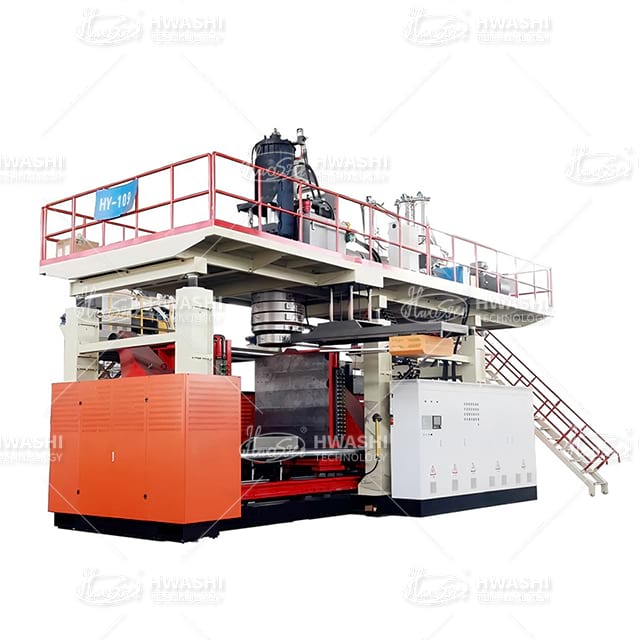
Precision during extrusion and blow molding makes a massive difference in quality. Modern facilities rely on a high-tech IBC Tote Production Line to produce premium bladders. These advanced lines utilize sophisticated automated parison control. This technology guarantees perfectly even wall thickness throughout the entire vessel. Inconsistent wall thickness creates dangerous weak points. These weak spots, especially located at the bottom corners, will inevitably rupture under dynamic transport loads.
Machinery standards dictate the survival rate of the exterior hardware. Using a top-tier IBC machine ensures optimal automated welding of the galvanized cage. It also guarantees defect-free threading on the critical discharge valves. Proper manufacturing prevents the most common points of early mechanical failure. Poorly welded cages bend easily under stacked weight. Badly threaded valves leak prematurely, causing dangerous slip hazards.
Always investigate your supplier's equipment before committing to bulk orders. You can seamlessly browse various equipment options and IBC totes manufacturing solutions to understand the industry quality baseline. Investing in well-made vessels saves enormous capital in the long run.
Sourcing decisions require a careful balancing act. Procurement teams must weigh initial upfront costs against expected long-term longevity. You have two primary purchasing paths available today.
Buying new requires a significantly higher capital expenditure. However, you receive a guaranteed one hundred percent lifespan. They offer full compliance tracking and zero cross-contamination risk. We highly recommend brand-new units for hazardous materials, food processing, and delicate pharmaceuticals. The operational peace of mind easily justifies the premium price tag.
Reconditioned or washed units offer a much lower upfront cost. The main drawback involves an entirely unknown stress history. You never truly know how much UV exposure the unit previously endured. You cannot verify what harsh chemicals sat inside it previously. They serve best for general waste collection. Use them for non-critical agricultural applications and closed-loop internal storage.
How do you choose confidently? Weigh the initial discount of a used container against its shortened replacement cycle. Consider your organizational risk tolerance carefully. A structural failure could trigger massive environmental cleanup fees. In many practical cases, saving a few dollars upfront creates unacceptable long-term operational liability.
Regular safety audits prevent catastrophic facility accidents. Operators must know exactly when to pull a unit from active service. Waiting for a visible leak is a terrible management strategy.
Implement this visual inspection framework for your daily operational routine:
Plastic Assessment: Look closely for cloudiness or unusual discoloration. Inspect the surface for crazing, which appears as a network of tiny, fine cracks. Check for general brittleness around the top fill cap.
Hardware Inspection: Examine the steel cage for deep rust or corrosion. Identify any bent base plates. Bent plates severely compromise stacking stability. Check wooden pallets for rot, splintering, or missing support blocks.
Valves and Gaskets: Inspect all discharge areas carefully. Watch for slow liquid weeping. Check for stripped plastic threads or dry-rotted rubber seals.
Visual checks only go so far in assessing true safety. Industry standards mandate a strict 30-month leakproofness test. Technicians usually pressurize the inner bladder to a specific threshold, typically around 20 kPa. They hold this internal pressure for at least ten minutes. Pressurizing the bladder serves as a definitive hard indicator of pass or fail status. If the unit fails to hold air pressure, you must immediately remove it from active transport duties.
Once retired, you must act responsibly. Recycle the plastic bladder through specialized industrial shredding facilities. Sell the viable steel cages back to professional reconditioners. Then, initiate a new procurement cycle based on your freshly updated lifespan data.
Maximizing your bulk storage assets requires highly proactive management. The fundamental lifespan formula remains consistently simple. Material Quality plus Routine Maintenance minus Payload Stress equals Total Longevity. If you successfully control these distinct variables, you will master your entire supply chain.
You cannot fully control the external regulatory environment. But you can strictly control your internal procurement standards. We highly recommend decision-makers immediately audit current fleets based on the rigid 30-month and 60-month UN guidelines. Before executing bulk reorders, rigorously assess your vendor's exact manufacturing quality. Ensuring they use advanced machinery protects your operation from unexpected failures. Take decisive action today to audit your oldest active units.
A: We strongly advise against using previously commercial units for drinking water. Safe human consumption requires virgin, food-grade HDPE. Even thoroughly washed units retain microscopic chemical residues embedded deep in the plastic matrix. For potable water, you must always purchase a brand-new, certified food-grade container to eliminate all cross-contamination risks entirely.
A: Yes, they degrade rapidly. Ultraviolet rays attack empty plastic just as aggressively as full containers. In fact, empty units often degrade faster because there is no internal liquid to absorb the intense thermal energy. Always store empty containers indoors or under heavy UV-blocking tarps to preserve their structural integrity properly.
A: Replacing just the inner plastic bottle usually costs 30 to 40 percent less than purchasing a completely new unit. This re-bottling strategy makes excellent economic sense for buyers looking to salvage perfectly good galvanized cages. It extends the asset's functional life while keeping procurement budgets highly manageable.