Views: 0 Author: Site Editor Publish Time: 2026-08-26 Origin: Site

Storing water in bulk requires balancing massive capacity against serious contamination risks. You often need reliable reserves for agricultural irrigation, industrial applications, or off-grid living setups. However, water does not remain potable indefinitely without active intervention. The longevity of your stored water depends heavily on three verifiable factors. First, consider the initial water quality before storage. Second, evaluate your environmental controls and exposure levels. Third, inspect the structural integrity of your bulk container. Untreated water degrades quickly when left in poor conditions. Harmful pathogens multiply rapidly without proper sanitation measures. Fortunately, appropriate treatment completely changes this timeline. You can keep bulk water safe for years. You simply need a reliable commercial-grade container and a strict maintenance plan. This guide explains precise storage timeframes for different water types. You will discover practical treatment methods to significantly extend its lifespan. We also cover essential container selection criteria to guarantee your long-term safety.
Untreated Water: Safely stores for 6 months before requiring rotation or purification.
Treated Water: Can last up to 5 years if properly sanitized (e.g., using calcium hypochlorite or standard bleach) and sealed.
Container Dependency: Only FDA-approved, food-grade HDPE (High-Density Polyethylene) totes should be used for potable water.
Environmental Impact: UV exposure and temperature fluctuations are the primary catalysts for algae growth and plastic degradation.
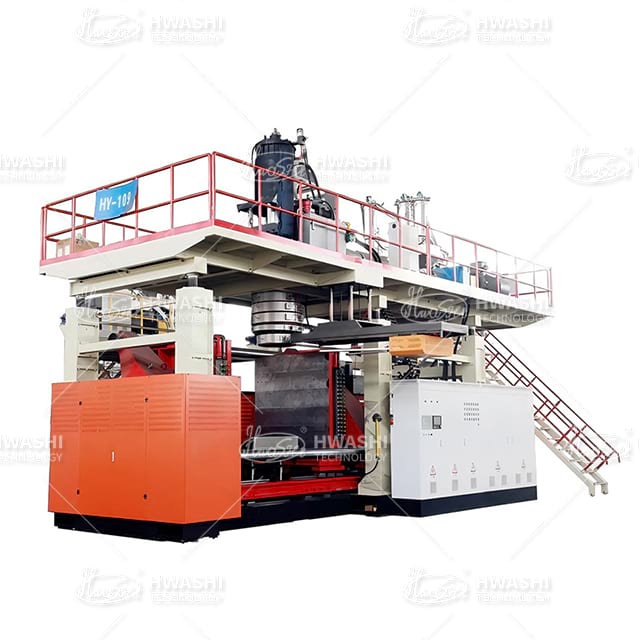
Manufacturing Matters: The extrusion and molding consistency from a professional IBC Tote Production Line directly dictates the container's UV resistance and lifespan.
You must understand baseline timeframes when planning bulk storage. Untreated water behaves very differently from chemically treated reserves. Municipal supply systems typically treat water before distributing it to homes. This municipal water contains residual chlorine. The chlorine keeps the water safe while it travels through city pipes. However, this residual chemical dissipates rapidly once stored in a static tank. Most experts agree untreated municipal or well water remains safe for up to six months. Pathogens can multiply freely once the residual chlorine evaporates completely. You must rotate untreated water twice a year to maintain safety.
Chemically treated water offers a much longer storage horizon. You can safely store treated water for one to five years. Adding unscented liquid household bleach stabilizes the water effectively. You typically need about one-half teaspoon of standard bleach per ten gallons of water. Calcium hypochlorite serves as an excellent alternative for long-term stabilization. It provides a more stable shelf life than liquid bleach. You must actively monitor the chemical balance to ensure continuous safety. Test your stored water annually using standard pool or water testing kits. You are looking specifically for Free Active Chlorine (FAC) levels. Monitoring FAC ensures the water retains enough sanitizer to prevent bacterial growth.
Table 1: Water Storage Timeframe Comparison
Water Condition | Storage Timeframe | Primary Treatment Method | Testing Frequency |
|---|---|---|---|
Untreated Municipal/Well Water | Up to 6 Months | None (Relies on residual chlorine) | Rotate bi-annually |
Chemically Treated Water | 1 to 5 Years | Household Bleach or Calcium Hypochlorite | Annually for FAC levels |
Selecting the right container acts as the foundation of your entire storage strategy. Many people try to save money by purchasing used containers. This approach introduces severe bacterial and chemical risks. You must avoid sourcing used totes randomly. Some used containers previously held food products like heavy syrup or cooking oils. These residues prove incredibly difficult to remove completely. Lingering sugars provide a perfect breeding ground for aggressive bacteria. You must professionally sanitize them before considering them for potable water. More importantly, you must strictly avoid any totes previously holding industrial chemicals. Chemical compounds embed themselves deep into the plastic matrix. No amount of washing makes a chemical container safe for drinking water.
You need to properly identify food-grade containers before purchasing. Look closely for specific FDA or NSF compliance certifications stamped on the tank. Manufacturers use specific plastic resin codes to designate material types. You want to see the #2 HDPE (High-Density Polyethylene) symbol. This material resists leaching and remains chemically inert under normal conditions.
Wall thickness plays another critical role in container selection. Potable water storage requires specific structural rigidity. Water is incredibly heavy. A standard 275-gallon container holds over 2,200 pounds of water. A 330-gallon version holds even more. This immense weight creates massive hydrostatic pressure against the plastic walls. Standard tanks must maintain structural rigidity under this constant outward force. Substandard wall thickness leads to dangerous micro-fissures during transport. These tiny cracks harbor bacteria and eventually cause catastrophic ruptures. Always verify structural specifications when buying an IBC tote for high-capacity applications.
The lifespan of your stored water directly ties to the manufacturing quality of the container. A poorly made tank compromises even the most pristine water supply. The production technology behind the plastic shell dictates its ultimate durability. An advanced IBC machine ensures uniform HDPE distribution during the blow-molding process. Uniformity prevents hazardous thin spots from forming along the tank corners. Thin spots act as weak points where UV light easily penetrates. They also represent critical failure zones where the tank might rupture under stress.
Production line consistency separates reliable containers from dangerous alternatives. High-quality containers emerge from a modern IBC Tote Production Line. These advanced systems feature evenly integrated UV inhibitors within the plastic matrix itself. The manufacturer mixes these stabilizers directly into the raw resin before molding. This process creates a uniform shield against solar radiation across the entire container surface.
You must make manufacturing quality a core decision factor. Confirm the manufacturer utilizes modern extrusion technology when evaluating tanks for high-stakes storage. Inferior manufacturing processes lead to rapid plastic degradation. Substandard plastics break down and release microscopic compounds. This plastic leaching contaminates your water supply. It completely compromises your long-term storage viability. Always prioritize containers built on industrial-grade equipment.
Environmental factors quickly ruin perfectly treated water. You must control outside influences to maximize storage lifespans. Ultraviolet light represents the most aggressive threat to your water supply. Algae spores exist naturally in almost all water sources. They remain dormant until exposed to light and warmth. Sunlight easily penetrates translucent white HDPE plastic. When this happens, algae blooms rapidly inside the tank. The water turns green and becomes unsafe for consumption.
You can implement several practical solutions to combat the algae problem. Consider the following protective measures:
Store containers indoors away from direct sunlight.
Bury the containers underground, though this requires significant structural reinforcement.
Wrap the tank in heavy-duty UV covers or thick opaque tarps.
Purchase black or dark green containers, which offer superior natural light-blocking capabilities.
Temperature fluctuations create equally serious structural and chemical hazards. Extreme heat accelerates chemical degradation of your water treatments. High temperatures also increase potential plastic leaching from the container walls. Freezing conditions present a completely different mechanical threat. Water expands by roughly 9% when it turns to ice. This immense expansion exerts crushing force against the rigid plastic shell. The expansion easily cracks the bottom valve or splits the entire tank open.
You must implement specific considerations for freezing climates. Never fill a container to the absolute brim if facing winter conditions. Leave at least 10% headspace at the top of the tank. This empty gap accommodates natural ice expansion safely. You should also deeply insulate the vulnerable bottom valve to prevent localized cracking.
Proper maintenance dictates the long-term success of your bulk water strategy. You cannot simply fill a tank and forget it. Even brand-new containers require strict preparation. Manufacturers often leave fine plastic dust inside the tank after molding. You must rinse new containers thoroughly before their first use. Used food-grade containers demand a much more aggressive approach. You must implement a highly alkaline wash to strip residual food oils. Follow this step using a neutralizing rinse to balance the interior pH.
We recommend following a standardized Sanitization SOP (Standard Operating Procedure) for optimal safety. Follow these sequential steps carefully:
Wash the entire interior using a dedicated high-pressure cleaning wand.
Mix a precise bleach and water solution aiming for 50 ppm chlorine concentration.
Circulate this sanitizing solution throughout the tank for a minimum of 60 minutes.
Drain the solution completely through the bottom valve.
Allow the interior to air dry thoroughly to prevent dangerous mold growth.
You must establish a reliable calendar for water rotation. Consistency prevents stagnation. Do not empty the tank from the top opening. Draw down the old water completely through the bottom ball valve. This downward flow helps clear heavy sediment resting on the bottom floor. Once fully drained, refill the clean water securely from the top opening.
Water stored in a bulk container will stay good for 6 months untreated. It can last up to 5 years treated, provided you aggressively control the surrounding environment. You must actively monitor chlorine levels and block sunlight to achieve these maximum timelines. The ultimate foundation of safe water storage is the container itself. You cannot out-treat a failing, non-compliant tank. Investing in new, food-grade totes manufactured on reliable production equipment severely mitigates contamination risks. It also prevents catastrophic structural failures. Audit your current storage needs today. Verify the exact food-grade status of your existing containers. Finally, implement a strict chemical treatment protocol and deploy a robust UV-blocking strategy to secure your long-term water supply.
A: Only if the tote is food-grade, the water was properly treated with chlorine, and the container has been fully shielded from UV light to prevent algae growth. Always boil or filter long-standing outdoor water before consumption to ensure absolute safety.
A: Eliminate light exposure completely. Use a custom-fit UV blocking cover, paint the exterior black (if material compatibility allows), or store the tote inside a windowless shed. Without light, dormant algae spores cannot bloom.
A: High-quality HDPE manufactured with uniform UV stabilizers resists degradation for years. However, prolonged direct sunlight on poorly manufactured totes causes the plastic to become brittle. This breakdown can potentially leach microscopic plastic particles into your drinking water.
A: Yes, if filled to the brim. Water expands by roughly 9% when frozen. You must leave adequate headspace (at least 10-15%) inside the tank. Furthermore, you should deeply insulate the bottom valve, which represents the most vulnerable point of failure during a hard freeze.