Views: 0 Author: Site Editor Publish Time: 2026-08-28 Origin: Site

Sourcing industrial containers often triggers immediate sticker shock for purchasing managers. Seeing the invoice for a fleet of massive tanks might leave you questioning the unusually high price tag. However, you must frame IBC totes not as simple plastic buckets, but as heavily regulated, structurally engineered liquid transport assets. They handle hazardous chemicals, heavy dynamic loads, and intense logistical demands safely across global supply chains.
Evaluating this upfront expense requires looking far beyond the initial invoice. You will discover how precision manufacturing, strict regulatory compliance, and structural durability ultimately justify the cost. We will explore the material engineering and complex assembly processes ensuring container safety. By understanding these factors, you can make smarter procurement decisions for your liquid transport needs.
Material & Compliance Costs: The price reflects commercial-grade High-Density Polyethylene (HDPE), galvanized steel, and mandatory UN/DOT safety certifications.
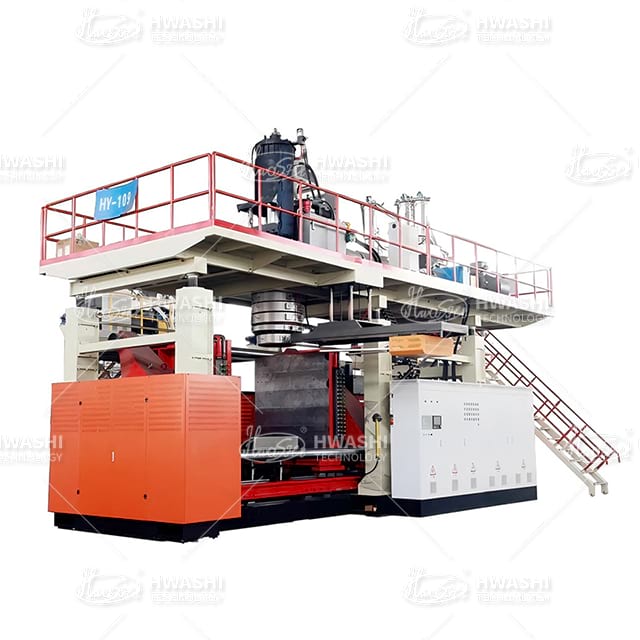
Manufacturing Capex: Precision blow molding and automated welding on a modern IBC Tote Production Line ensure zero-failure rates but require high initial manufacturing investments.
TCO vs. Purchase Price: Cheap, uncertified alternatives often result in higher 10-year costs due to frequent replacement, structural failure, or regulatory fines.
Strategic Sourcing: Buyers can optimize ROI by evaluating specific use cases to choose between new, rebottled, or reconditioned IBC totes.
The fundamental cost of an industrial liquid container begins with its physical composition. Manufacturers do not use standard consumer-grade plastics. Instead, they rely on commercial-grade, UV-stabilized virgin High-Density Polyethylene (HDPE). This material forms the inner bottle. HDPE offers exceptional chemical resistance. It prevents corrosive liquids from eating through the walls. Manufacturers must also stabilize this plastic against ultraviolet light. Unprotected plastic degrades and becomes brittle when left outside. You are paying for a polymer engineered to survive harsh environmental exposure.
The protective outer cage and pallet base utilize heavy-duty galvanized steel. Steel prices fluctuate on the global commodity index, directly impacting container costs. Galvanization involves coating the steel in zinc. This zinc layer prevents rust and corrosion in damp industrial environments. A degraded cage cannot support the immense weight of liquid cargo. Therefore, manufacturers invest heavily in premium metals to guarantee structural integrity.
You cannot legally transport hazardous materials in uncertified containers. Regulatory bodies enforce strict testing standards. These certifications act as a vital insurance policy against catastrophic leaks. You pay for legal and operational compliance. Mandatory testing includes several rigorous protocols:
Dynamic Drop Tests: Technicians fill the container to maximum capacity. They drop it from specific heights to ensure the plastic and cage do not rupture upon impact.
Hydrostatic Pressure Tests: This test forces internal pressure against the container walls. It proves the valves and seams can withstand fluid expansion during temperature changes.
Vibration Standards: Machines shake the container aggressively. This simulates the constant vibration of long-haul truck transport, ensuring welded joints remain intact.
Universal compatibility adds another layer of cost. Facilities worldwide require standardized interface components. Most models feature standard 2-inch camlock fittings for discharge valves. This universal valving allows seamless integration into any factory pumping system. Standardized footprint dimensions ensure these containers fit perfectly into standard shipping containers and truck trailers. Integrated pressure-relief caps vent dangerous gas build-up automatically. These specialized engineering features require precise manufacturing, driving up the initial purchase price.
Producing safe, commercial-grade containers requires immense capital investment. Factories cannot build these units using basic assembly methods. They require a specialized, heavy-duty IBC Tote Production Line. This automated machinery represents a massive initial expenditure for manufacturers. The factory must pass a portion of this equipment cost down to the end buyer. However, this high-tech manufacturing ensures absolute safety and consistency.
The inner plastic tank undergoes a process called precision blow molding. An industrial IBC machine melts the HDPE resin and extrudes it into a hollow tube. The machine then clamps a mold around the plastic and injects high-pressure air. This air inflates the plastic to fill the mold cavity perfectly. The machinery meticulously controls wall thickness during this phase. It ensures optimal resin distribution, particularly in the corners of the tank. Thin corners create dangerous weak spots. Precise thickness control remains a non-negotiable factor for safe chemical containment.
The steel grid surrounding the bottle undergoes equally rigorous manufacturing. Factories utilize robotic welding arms to assemble the tubular steel cages. Robotic welding ensures flawless, uniform joints across every single unit. Human error in welding could lead to a snapped joint under heavy loads. The steel cage must withstand massive dynamic forces during forklift transport or sudden truck braking. A weak weld will shear, causing the inner bottle to burst. This automated precision adds significant overhead to the manufacturing process. Yet, this high-tech assembly translates directly to end-user safety and load stability.
Procurement departments often face a common business problem. They optimize purchasing decisions based on the lowest initial quote. This mindset ignores the hidden costs of premature container failure. Evaluating the true value requires looking at the entire 10-year lifespan of the asset. When you shift focus to longevity, premium containers consistently outperform cheap alternatives.
Durability dictates your actual packaging spend over a decade. A premium container easily lasts 5 to 10 years with proper maintenance. The galvanized steel resists rust, and the UV-stabilized plastic maintains its flexibility. Conversely, cheaper alternatives fail rapidly. Low-grade plastics warp under extreme heat. They degrade under constant sunlight, becoming brittle. Flimsy discharge valves often leak or jam within the first 12 months. Buying a cheap container means you will replace it multiple times, ultimately spending far more money over a decade.
Beyond simple durability, premium designs streamline warehouse operations. Standardized intermediate bulk containers drastically reduce labor and handling costs. They maximize trailer space far better than standard 55-gallon drums. One square pallet space holds one 275-gallon container. That same space holds only four drums, totaling 220 gallons. Forklift operators move more liquid in less time.
High-quality containers also feature sloped-bottom designs. This internal geometry ensures maximum liquid drainage. When discharging expensive chemicals or food ingredients, you want every last drop. Flat-bottomed cheap containers trap residual product inside. Over hundreds of discharge cycles, this trapped liquid equals thousands of dollars in wasted product. Premium drainage features eliminate this expensive product waste.
Lifecycle Value Comparison: Premium vs. Substandard Containers
Feature Focus | Premium Industrial Container | Cheaper Substandard Alternative |
|---|---|---|
Structural Lifespan | 5 to 10 years with standard maintenance. | 12 to 24 months before structural failure. |
UV & Weather Resistance | Highly stabilized; prevents plastic embrittlement. | Minimal protection; cracks easily in direct sunlight. |
Valve Integrity | Reinforced camlock valves prevent leaks over years. | Flimsy threading leads to dripping and jammed handles. |
Liquid Recovery Rate | Sloped bottom yields nearly 99% fluid drainage. | Flat bottom traps valuable residual product. |
Attempting to cut corners on liquid transport packaging introduces massive financial risks. A $50 saving on an unverified container can trigger disastrous consequences. Containment failures lead directly to significant product loss. If a weak plastic wall ruptures during transit, you lose the entire 275-gallon payload. For high-value agricultural chemicals, pharmaceutical ingredients, or specialty resins, a single spill costs tens of thousands of dollars. The initial packaging savings vanish instantly.
The consequences of a structural failure extend far beyond lost product. Chemical spills pose immediate safety hazards to warehouse workers and truck drivers. A burst container can cause severe slip-and-fall injuries or chemical burns. Furthermore, environmental cleanup costs escalate rapidly. Hazardous liquid spilling onto a highway or seeping into facility drainage systems requires professional hazmat remediation. These incidents invite strict regulatory scrutiny. Companies face massive EPA and OSHA fines for using substandard or non-compliant transport vessels.
Another dangerous pitfall involves buying cheap, unverified used containers. Secondary markets often sell unwashed or improperly cleaned units to unsuspecting buyers. Purchasing these items "as-is" without a transparent chain-of-custody ruins entire production batches. A container that previously held industrial adhesives might still harbor microscopic residue. If you subsequently fill it with food-grade syrups or sensitive agricultural nutrients, you cross-contaminate your product. This forces costly product recalls and destroys brand reputation.
You do not always need to buy the most expensive model available. Strategic sourcing requires matching the container tier directly to your liquid's specific hazard class. This evaluation framework helps you avoid over-spending while maintaining strict safety standards.
New Units (Highest Cost): These containers feature a brand-new bottle and a brand-new steel cage. They represent the largest upfront investment. You must choose this option for food-grade consumables, pharmaceuticals, and highly reactive chemicals. Pristine conditions ensure zero contamination risk and maximum structural safety.
Rebottled Units (Mid-Tier Cost): These models feature a brand-new inner plastic bottle placed inside a professionally inspected used steel cage. They offer an excellent balance of cost and safety. The new bottle guarantees interior cleanliness. The used outer cage might show minor cosmetic wear but retains full structural integrity. This option works perfectly for standard industrial chemical transport.
Reconditioned/Washed Units (Lowest Cost): Facilities thoroughly wash and pressure-test used bottles and cages. These represent the most budget-friendly option. However, you must restrict their use strictly to specific applications. They remain ideal for non-hazardous wastewater, agricultural runoff, or non-consumable industrial fluids. Never use these for human consumables.
By auditing your inventory needs against this shortlisting logic, you optimize your procurement budget safely. Match the regulatory requirements of your product to the correct packaging tier.
The substantial price of industrial liquid containers accurately reflects their sophisticated engineering. Manufacturers utilize premium raw materials, advanced blow molding, and automated robotic welding to guarantee safety. Every dollar spent contributes to mandatory regulatory compliance and structural durability. When evaluating costs, procurement teams must look past the initial invoice.
To optimize your packaging budget, follow these actionable next steps:
Audit your facility’s specific liquid transport requirements, categorizing fluids by hazmat, food-grade, or waste status.
Select the appropriate container tier (new, rebottled, or reconditioned) based on the hazard class of your cargo.
Request detailed lifespan and durability data from your packaging suppliers to model long-term value accurately.
Prioritize standardized valves and sloped-bottom designs to improve daily operational efficiency and reduce product waste.
A: No. With proper reconditioning and valve maintenance, they are designed for multi-year reuse, which offsets their high initial cost.
A: Prices are heavily tied to petroleum markets (dictating HDPE resin costs) and global steel index pricing.
A: Only if they have been professionally reconditioned, pressure-tested, and certified. Buying "as-is" used totes carries massive cross-contamination and structural risks.